
Types of Elevator Doors Explained for Modern Buildings
Types of Elevator Doors Explained for Modern Buildings
Elevators play an important role in the smooth functioning of residential towers, commercial buildings, malls, and high-rise infrastructures. While most people focus on speed, capacity, and control systems, one component that directly impacts safety, accessibility, and user experience is the elevator door. Modern lifts use advanced door technologies that ensure secure transportation, prevent accidents, and improve traffic flow inside busy buildings.
Understanding the types of elevator doors used today helps building owners, contractors, and facility managers select the right option based on building design, passenger load, and safety requirements. This article explains the different types of elevator doors, their mechanisms, applications, and the essential components.
Detailed Overview of the Main Types of Elevator Doors
Elevator doors significantly influence safety, space efficiency, passenger flow, and the overall user experience in modern buildings. Each door type is engineered for specific architectural needs, traffic levels, and functional requirements. Below is an in-depth explanation of the most widely used types of elevator doors in residential, commercial, and industrial environments.
1. Centre-Opening Elevator Doors
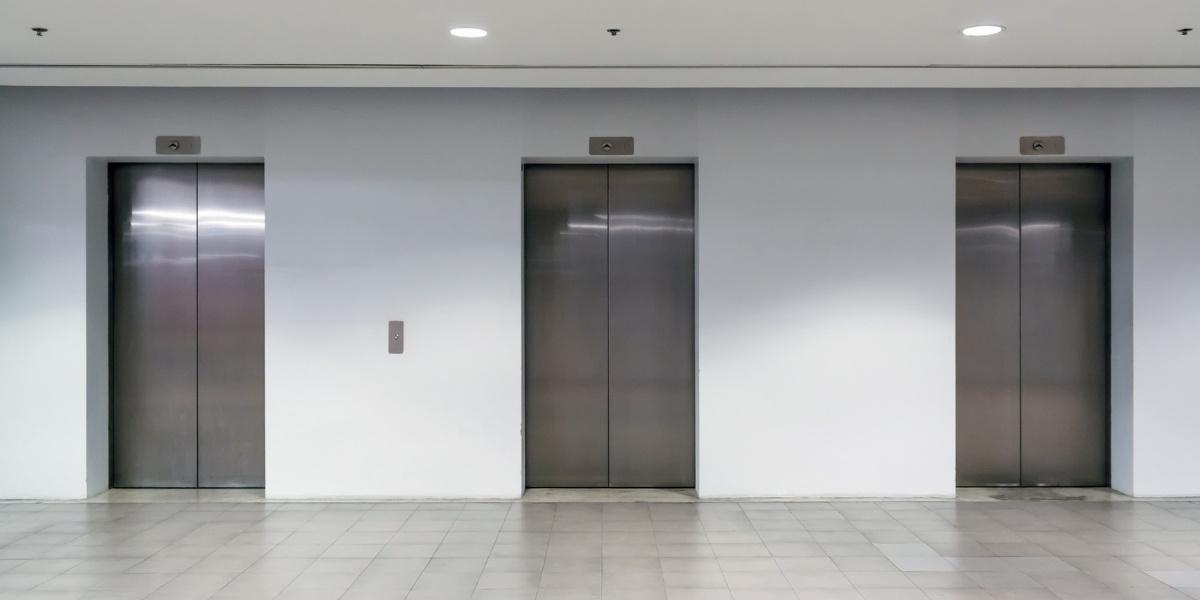
Centre-opening doors are among the most common and widely used elevator door systems in modern buildings. These doors split into two panels positioned on each side of the opening, moving symmetrically to the left and right.
Where They are Used
- Commercial buildings
- Shopping malls
- Hotels
- High-traffic residential towers
Key Benefits
- Provides wide entrances for smooth passenger movement
- Offers a premium, symmetrical look
- Ideal for buildings requiring fast loading and unloading
These systems use a high-quality elevator door drive and elevator door motor to deliver quiet, reliable performance. Multi-beam elevator door sensors detect even the slightest obstruction, ensuring maximum passenger safety and preventing abrupt door closures.
2. Side-Opening Elevator Doors
Side-opening doors slide entirely in one direction, either to the left or the right, making them a practical choice for buildings with limited space around the elevator entrance. Because the panels move to just one side, these doors require less overall clearance, which makes them suitable for narrow shafts or layouts where installing a centre-opening system is not feasible.
Where They are Used
- Residential buildings
- Service elevators
- Hospitals
- Low-to-medium traffic areas
Key Benefits
- Simple mechanism, easy to maintain
- Requires minimal installation space
- Suitable for stretcher elevators in healthcare buildings
Although simpler, they still rely on key components such as door controllers, motors, and rollers to deliver a reliable opening mechanism. Modern sensors prevent the door from closing when objects are detected.
3. Telescopic Elevator Doors
Telescopic doors consist of two or three panels that move in the same direction and neatly stack behind each other, allowing the door to open wider without requiring additional space. This makes them an excellent solution for narrow entrances or older buildings where a full centre-opening system cannot be accommodated. Their compact movement design maximises the usable opening width while minimising structural modifications. Telescopic doors are especially useful in areas with restricted shaft size, offering a practical balance between space efficiency and smooth passenger flow.
Where They are Used
- Small residential buildings
- Compact commercial spaces
- Older buildings are being upgraded
Key Benefits
- Effective in areas with limited shaft width
- Provides a wider entrance than single side-opening doors
- Good balance between space-saving and usability
These doors require a precise elevator door drive mechanism to move panels in a synchronised manner.
4. Manual Elevator Doors
Although increasingly rare in modern structures, manual doors are still used in some service lifts and older low-rise buildings. These doors require passengers to physically open and close them.
Where They are Used
- Old residential properties
- Freight elevators
- Industrial facilities
Key Benefits
- Cost-effective installation
- Minimal mechanical components
Manual doors rely more on robust hinges and locking systems than motors. However, they must be paired with automatic cabin gates inside the elevator for safety.
5. Automatic Sliding Glass Elevator Doors
Glass elevator doors are preferred in high-end installations where aesthetics are a priority. They offer transparency, visibility, and a luxurious visual appeal.
Where They are Used
- Hotels
- Shopping centers
- Corporate buildings
- Premium residential towers
Key Benefits
- Enhances architectural aesthetics
- Allows visibility for enhanced passenger safety
- Suitable for modern panoramic lifts
Even with glass panels, these doors incorporate durable stainless-steel frames and high-quality motors. Sensors are essential to prevent damage to the glass.
6. Vertical Bi-Parting Doors
Vertical bi-parting doors open by splitting into two panels, one moving upward and the other downward. These are commonly seen in industrial and freight elevators.
Where They are Used
- Warehouses
- Large freight lifts
- Factories
Key Benefits
- Provides a large vertical opening
- Handles heavy loads
- Suitable for transporting pallets, machinery, and equipment
These doors use powerful motors and counterweights. They are engineered for rugged environments, making them ideal for industrial applications.
Things to Consider When Selecting the Right Elevator Door Type
When selecting elevator doors, consider the following factors:
1. Building Usage
High-traffic buildings benefit from centre-opening doors, while compact spaces may require telescopic or side-opening types.
2. Safety Requirements
Modern buildings should prioritise advanced door sensors and controlled closing speeds.
3. Aesthetic Needs
Commercial and premium projects may prefer glass or panoramic doors.
4. Budget & Maintenance
Complex systems require higher maintenance, while simpler configurations reduce long-term costs.
5. Space Availability
Shaft width, pit space, and landing design influence the suitable door mechanism.
Choose the Right Elevator Door Type for Your Building
Elevator doors play a crucial role in building safety, passenger comfort, and overall lift efficiency. From centre-opening and telescopic designs to advanced glass-panel doors, each type serves a specific functional and architectural purpose. Understanding these types of elevator doors and their mechanisms helps building owners and facility managers select the best solution for their elevator system.
Whether you are installing a new lift or upgrading an existing one, choosing the right door type and sourcing high-quality elevator spare parts suppliers in Dubai ensures long-term reliability, safety, and performance.