
How to Troubleshoot Elevator Transformer Issues?
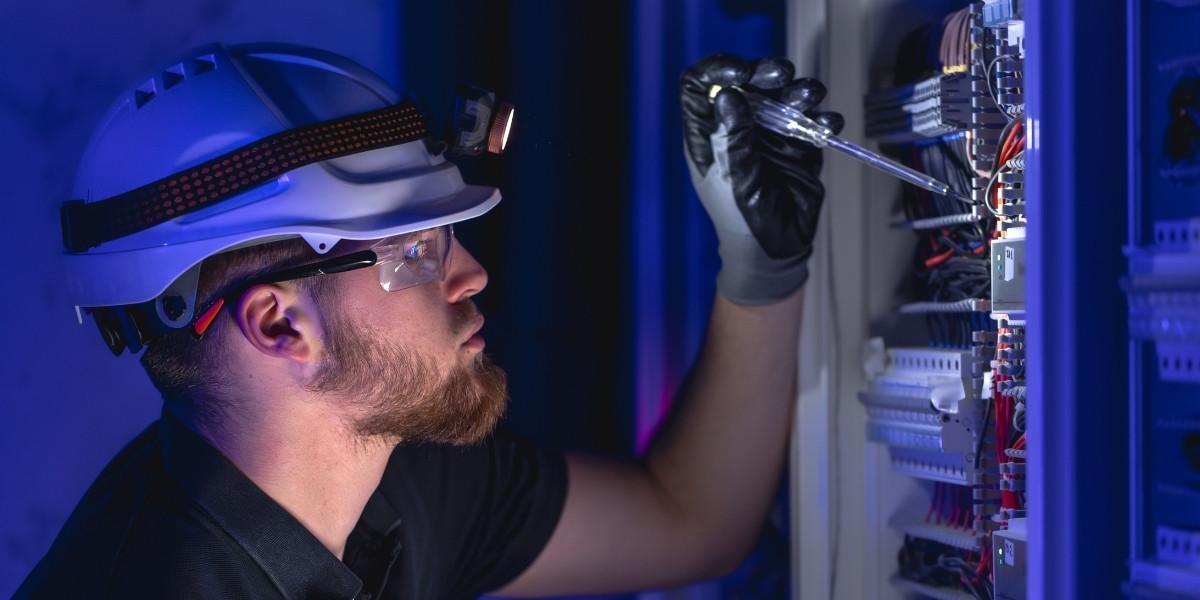
Effective Ways to Troubleshoot Elevator Transformer Issues
One of the key complex system elevators, but perhaps one of the most frequently overlooked parts in any complex machine, is its transformer.
This is important for voltage regulation and to supply a level of constant electrical power to control panels, motors or safety circuits. If things go badly, they can cause downtime and are often a potential risk to passenger safety.
Knowing how to troubleshoot elevator transformer issues is very important for property managers, technicians, and maintenance personnel when solving problems related to an elevator transformer.
The elevator transformer is responsible for providing safe, uniform voltage to the various components of the lift system, including motors and the control panel. If these systems falter, it's not just the loss of mechanical power, either, but it must be potentially fatal for passengers.
As a result, a well-organised diagnostics and maintenance strategy is very important for dependable operation.
Common Signs of Transformer Problems
The early warning signs will help you save time, minimise repair costs, and avoid emergencies. Some of the more frequent symptoms include
- Abnormal or irregular humming, buzzing or vibration from the transformer.
- Overheating that may even smell like something’s burning.
- Frequent tripping of circuit breakers.
- Indications that elevators are not operating as they should, such as sudden halts or sluggish movement.
- The elevator may not operate at all in the worst cases.
These symptoms can indicate failure of internal insulation, loose connections or voltage imbalances that need to be investigated promptly. Maintaining a proactive approach and dealing with problems when they are still small can prolong the life of the elevator transformer and minimise downtime.
Step 1: Safety First Before Inspection
We all know safety first, before anything else. Elevators run on high voltage and can cause severe injury if not handled properly. As always, ensure the main power is off, and lockout tag out equipment.
Insulated tools are necessary to work on a controller when it is energised (live).
Warning: It is de-energised, circuit before testing or checking all inspections.
The focus on safety is especially important since transformers retain energy long after the electricity has been switched off. If you don't massage them properly, they can shock or burn you. Ensuring safety first protects both technicians and passengers.
Step 2: Visually Examine. Fit those new pads and wheels
Armed with a good visual inspection, you may be able to uncover the most obvious problems. Look for signs such as
- Discolouration or melted insulation.
- Oil leakage in oil-filled transformers.
- Vibration, loose mounting clips or broken housing.
- Build-up of dirt, debris or corrosion at terminals.
Some things can even get worse if not considered to be that important. Keeping the transformer clean, dry and in position is a large part of ensuring that your lift continues to be reliable.
Step 3: Check Electrical Connections and Wiring
Faulty or severed wiring is a frequent culprit in elevator transformer issues. Check all incoming and outgoing connections to see that they are tight and sound. Check input and output voltages on the key, with a multimeter, to ensure they are within the specified range. Large differences could mean something with its internal winding might be amiss, or it may be on the external power source.
If not wired properly, then it would also be less efficient as well as increased risk for overheating, short circuit and hazardous conditions. Proper tightening and maintenance of electrical connections are essential preventive measures.
Step 4: Test Insulation and Windings
Insulation deterioration is one of the major factors of transformer failure. Test winding resistance to ground with an insulation resistance tester (megger). Low resistance may indicate that moisture has entered the insulation or that there is a breakdown in the insulation. The continuity tests shall be conducted on the windings as an aid to verifying that there are no open or internal shorts that may be hampering performance.
Routine insulation testing of your transformer makes sure it is still operating safely under load. Insulation efficiency can diminish due to wear and the environment, which eventually leads to catastrophic operation problems.
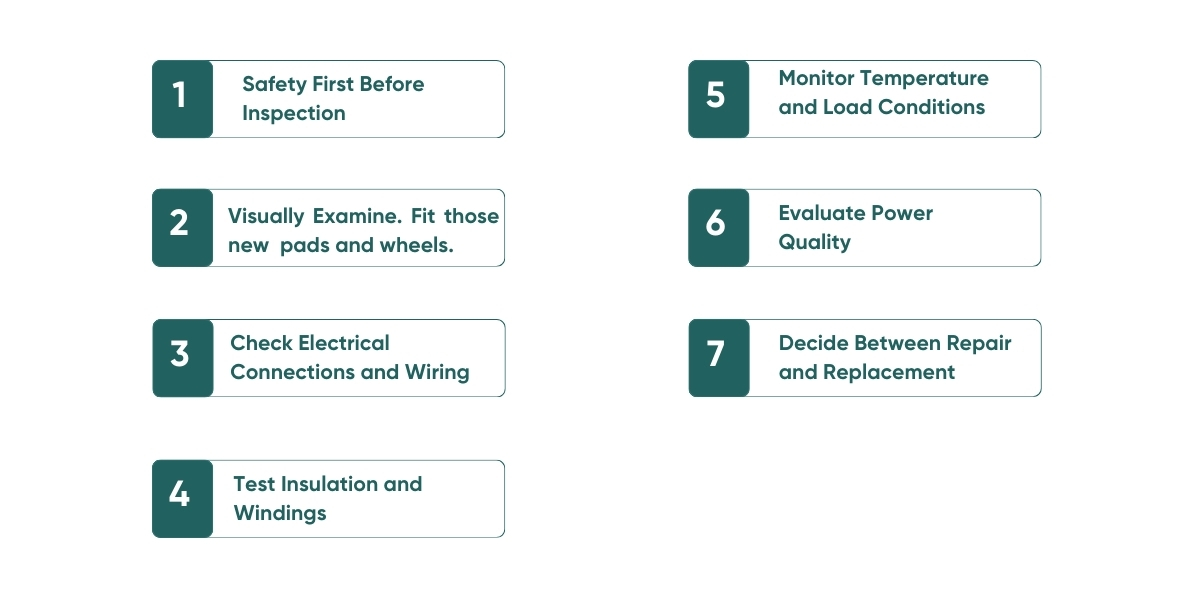
Step 5: Monitor Temperature and Load Conditions
It's normal for transformers to become warm when operating, but abnormally high temperatures may be a result of a problem. Overheating can be due to overloading, insufficient ventilation or an internal fault. Identify hot spots with thermal imaging or temperature sensors. If the transformer is always hot during full load operation, then it could be undersized or reaching its operational life limit.
Tracking temperature-related trends on a long-term basis will give insights into all the degradation that happens over time prior to failure. Regular overheating can be an indication that the fan or unit requires attention.
Step 6: Evaluate Power Quality
Power line voltage variations, harmonics and surges can also overstress transformers, leading to reduced life. Power quality meters installation allows us to find the most discrete anomalies that often remain unsolved for a long time. Specifically identifying and resolving upstream electrical anomalies that may be affecting your lift transformer can greatly enhance the life of the unit and increase overall system reliability.
Clean, stable power is essential to avoid problems with any of the elevator systems. Spikes or drops in voltage can have an impact on motors, control circuits and safety circuitry with consequences including unexpected downtime.
Step 7: Decide Between Repair and Replacement
And not all transformer failures are worth a full replacement. It is for this reason that simple problems like loose connections, minor insulation damage and dust buildup can usually be fixed at the site of commission or installation. But if there is significant winding damage, overheating or insulation breakdown, it’s generally best replaced. Taking advice from experienced technicians and looking for reliable elevator spare parts suppliers in Dubai means the safety and longevity of the product.
Replacing the transformer, if necessary, will also help prevent additional outages and improve elevator performance over time.
Choosing the Right Supplier and Support
A good source of parts and technical assistance is very important for the long life of the vehicle. Good value vendors give you installation and form-fitting advice as well. And it's because of this that firms like Elevator Mart help maintain crews by providing dependable products, which help minimise downtime and increase safety throughout the elevator network.
Putting its weight behind reliable suppliers ensures that each replacement part, whether it’s just a small connector or the entire conversion kit, complies with industry standards. It also offers time- and cost-savings while maintaining the safety of, and accessibility to, elevators.