
What Is Elevator Emergency Battery Lowering?
Understanding Elevator Emergency Battery Lowering in Modern Lift Systems
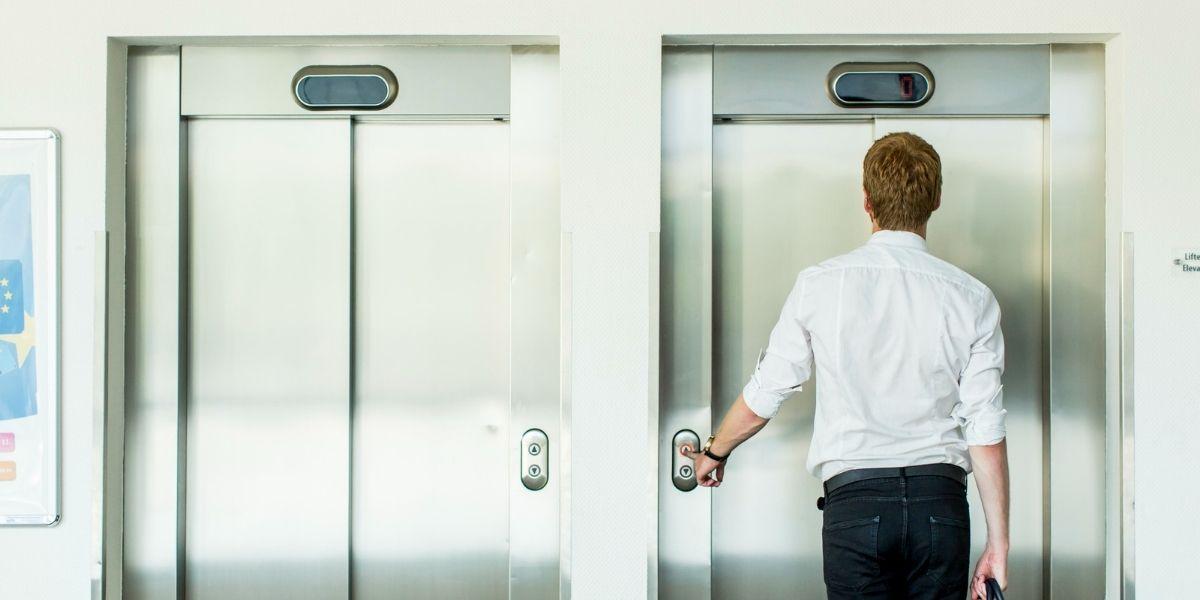
Elevator systems are expected to maintain passenger safety even when normal operating conditions fail. One of the most critical safety functions designed for this purpose is elevator emergency battery lowering. This function ensures that, in the event of a mains power interruption, the lift car does not remain stranded in the shaft but is instead moved in a controlled manner to a safe landing where passengers can exit.
For elevator professionals, this system is not an optional enhancement but a core safety mechanism integrated into modern control architecture. It is designed to operate automatically, without technician or passenger intervention, and must function reliably under defined load and voltage conditions.
Operational Principle of Emergency Battery Lowering
The operational principle of emergency battery lowering is based on automatic detection of mains power failure and controlled activation of stored electrical energy. Once initiated, the elevator controller commands the drive system to move the car at reduced speed to the nearest landing, ensuring safe passenger release under defined safety conditions.
Power Failure Detection and System Initiation
The emergency lowering sequence begins at the moment the elevator controller detects a loss of incoming power. Detection is typically achieved through continuous monitoring of the main supply line. Once the voltage drops below the preset threshold, the controller isolates non-essential circuits and shifts the system into emergency mode.
This transition must occur within milliseconds to prevent uncontrolled stopping. The controller then evaluates predefined parameters such as car position, travel direction, and system readiness before permitting movement under battery power.
Energy Supply and Drive Control During Emergency Operation
During emergency lowering, stored electrical energy is supplied from a dedicated battery unit to the drive system. The drive operates in a reduced-power mode, limiting acceleration and speed to maintain safe motion while conserving energy.
Most systems are configured to move the car in the downward direction, as gravitational assistance reduces current draw. However, depending on controller programming and load conditions, upward movement may be permitted over short distances if necessary to reach a landing.
The drive logic prioritises stability over speed, ensuring smooth torque delivery and preventing sudden motion that could trigger safety devices.
Landing Selection and Controlled Stopping Logic
The controller calculates the nearest available landing based on the car's position feedback. Only authorised floors are considered, and the system avoids stopping between levels.
Once the target landing is identified, the drive decelerates the car gradually to ensure precise levelling. Brake engagement is carefully timed to prevent rollback or overshoot. After the car reaches a complete stop, the system verifies that all safety conditions are satisfied before enabling door operation.
Door Release and Passenger Exit Sequence
Door opening during emergency lowering follows a strict logic sequence. Mechanical and electrical interlocks are checked to confirm correct levelling and landing alignment. Only then does the controller permit the doors to unlock and open.
Cabin lighting and essential signalling remain active for a limited duration, providing sufficient visibility for passenger exit. After the door operation is completed, the system remains in a safe locked state until normal power is restored and a reset procedure is performed.
System Architecture and Technical Components Involved
The system architecture for emergency battery lowering integrates the battery unit, charging circuit, elevator controller, drive system, and safety chain. These components operate in coordination to ensure controlled car movement during power loss while maintaining all safety interlocks and operational limits defined by elevator standards.
Battery Configuration and Charging Strategy
The battery unit used for emergency lowering is maintained in a charged state during normal operation through an integrated charging circuit. Capacity is selected based on car weight, rated load, travel distance, and system efficiency.
Battery condition is critical. Voltage drop, internal resistance, and temperature sensitivity directly affect performance. A degraded unit may allow system activation but fail to complete the lowering cycle, which is why periodic capacity testing is essential.
Integration With Control and Safety Circuits
Emergency battery lowering operates within the elevator’s safety chain. It interfaces directly with the controller, drive, brake system, and position feedback devices.
Safety circuits remain active during emergency operation, and any fault detected within the chain can inhibit movement. This ensures that emergency operation does not override essential protection logic.
The system does not replace mechanical safety devices. Instead, it functions alongside them, providing controlled motion while preserving all safety interlocks.
Operational Limitations and Design Constraints
It is important to understand that emergency lowering systems are designed for evacuation, not continued service. Operating time is limited, and repeated activation without recharge can damage the elevator battery unit.
Load conditions also affect performance. Systems are typically rated to operate under nominal passenger loads. Excessive load or imbalance can reduce travel capability or prevent activation altogether.
For this reason, emergency lowering should never be treated as a substitute for full backup power systems.
Maintenance, Testing, and Professional Responsibilities
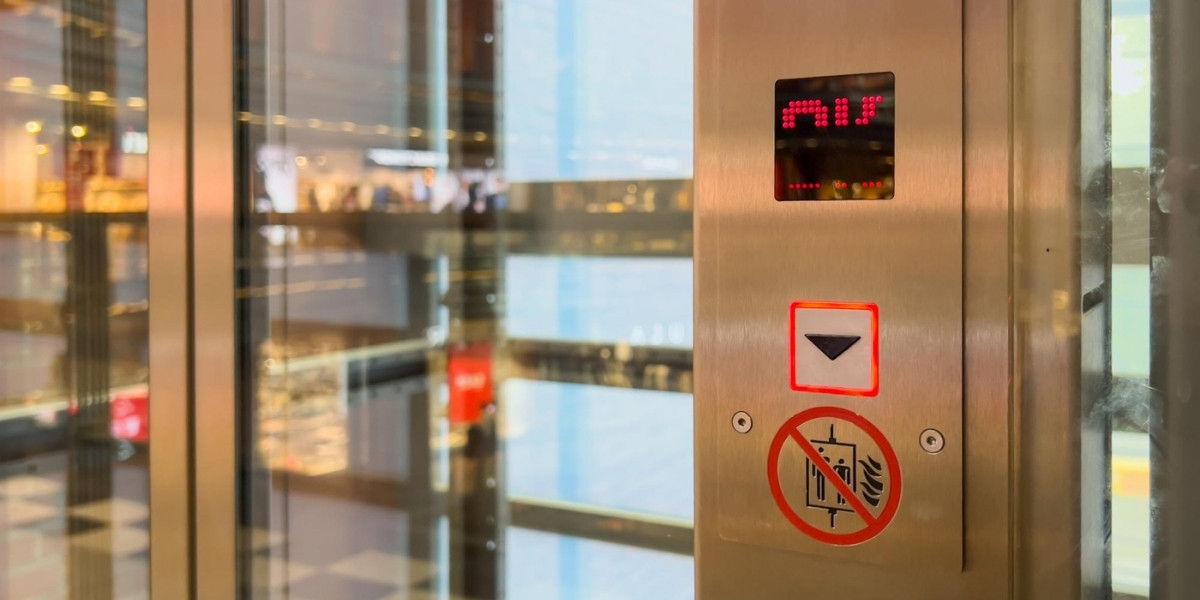
Maintenance of emergency battery lowering systems requires regular functional testing, lift battery condition assessment, and verification of control logic response during simulated power failures. Elevator professionals are responsible for ensuring compliance with safety codes, documenting test results, and addressing faults promptly to maintain reliable emergency operation.
Routine Inspection and Functional Testing
Regular testing of emergency lowering functionality is a professional obligation. This typically involves simulated power failure tests under controlled conditions, allowing technicians to verify correct system response, travel behaviour, and door operation.
Battery voltage checks alone are insufficient. Functional testing confirms real-world performance and identifies issues that static measurements may miss.
Common Failure Modes and Diagnostic Indicators
Battery degradation remains the most common failure point. Other issues include charging circuit faults, controller misconfiguration, wiring deterioration, and brake timing errors.
Warning signs may include delayed activation, incomplete travel, abnormal noise during movement, or failure to open doors after stopping. These indicators should be addressed immediately to prevent safety risks.
Compliance and Installation Best Practices
Most safety codes mandate emergency lowering functionality for passenger elevators. Proper documentation, test records, and component traceability are essential for compliance audits.
Using certified components and reliable elevator parts suppliers, such as Elevator Mar,t helps ensure system integrity and long-term reliability. Installation quality, wiring discipline, and correct parameter configuration are equally critical.
Maintaining Reliability in Emergency Elevator Operations
Elevator emergency battery lowering is a fundamental safety function that protects passengers during power interruptions by enabling controlled evacuation. For elevator professionals, the correct design, integration, and maintenance are non-negotiable responsibilities.
A well-maintained system operates seamlessly in the background, but its failure can have serious consequences. Regular testing, timely battery replacement, and adherence to technical standards ensure that this critical function performs exactly as intended when normal power is lost.