
Elevator Limit Switch Price Guide for Smart Purchasing
Elevator Limit Switch Price Guide for Smart Purchasing
When it comes to elevator safety and smooth operation, small components often play a big role. One such critical part is the limit switch. Whether you are managing a residential building, a commercial tower, or an industrial lift system, understanding how pricing works can help you make better purchasing decisions. This guide explains what affects the elevator limit switch price and how to choose the right product without overspending.
Average Price Range of Elevator Limit Switches
Understanding the average market price helps buyers plan budgets and avoid overpaying. Prices vary based on build quality, application type, and brand reliability. While basic models are more affordable, advanced or heavy-duty switches cost more due to better materials and longer lifespan.
In most cases, the average elevator limit switch price ranges between AED 80 and AED 300, depending on usage and durability requirements. High-precision or imported models may cost more, especially in commercial or high-rise elevator systems.
Pricing is generally influenced by whether the switch is used for cabin movement, safety control, or door positioning. Door-related switches are usually priced slightly lower than main travel switches, but accuracy and durability still matter.
Below is an estimated price table to give you a clear idea of current market ranges. These prices are indicative and may vary depending on supplier, quantity, and specifications.
| Limit Switch Type | Application Area | Average Price (AED) |
| Standard Limit Switch | Passenger elevator movement | 80 to 150 |
| Heavy-Duty Limit Switch | Freight or industrial elevators | 150 to 300 |
| Door Limit Switch | Door open and close detection | 60 to 120 |
| Magnetic or Proximity Switch | Precision control systems | 200 to 400 |
| Branded Imported Switch | Premium elevator installations | 250 to 500 |
Factors That Influence Elevator Limit Switch Pricing
Understanding what affects pricing helps you avoid confusion when comparing options in the market. Many buyers assume that all limit switches function the same way, but several technical and practical factors directly impact cost. Knowing these factors allows you to choose the right component without overspending or compromising safety.
Material and Build Quality
Material quality plays a major role in determining price. Switches made from high-grade metal housings and durable internal components usually cost more than plastic or lightweight alternatives. These stronger materials offer better resistance to vibration, dust, and temperature changes commonly found in elevator shafts. Over time, poor-quality materials may crack, corrode, or lose alignment, leading to frequent replacements. A well-built switch may seem expensive initially, but it often lasts longer and performs more consistently under daily use.
Load Capacity and Ratings
Load capacity is another key factor that affects pricing. Switches designed for higher load ratings or heavy-duty elevators tend to be priced higher due to advanced internal mechanisms and stricter manufacturing standards. Freight elevators and service lifts require switches that can handle greater stress and repeated impact. These switches are tested to ensure they perform accurately even under extreme conditions. As load capacity increases, so does the level of engineering involved, which naturally raises the cost.
Brand and Certification
Brand reputation and certification also influence pricing. Well-known manufacturers often charge more because their products meet international safety standards and undergo extensive testing. Certified switches are tested for accuracy, durability, and reliability, reducing the risk of malfunction. Certification adds value because it assures building owners and maintenance teams that the component complies with safety regulations. While unbranded products may appear cheaper, they often lack proper testing and may fail sooner.
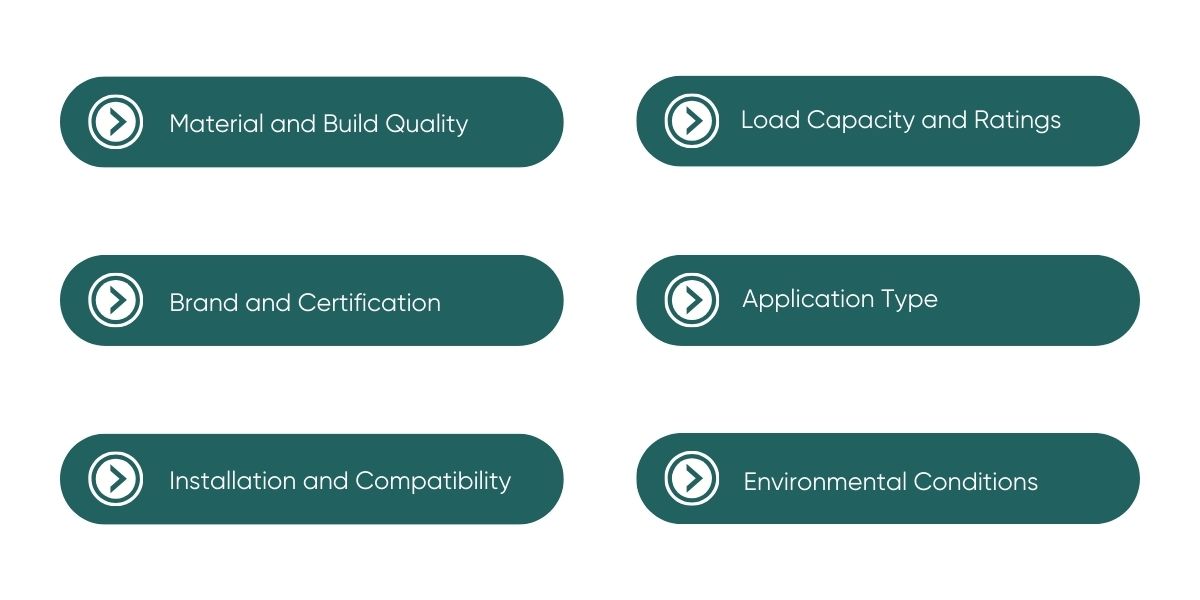
Application Type
Application type significantly impacts cost. A standard passenger elevator switch will differ in price compared to one used in freight or industrial lifts. Passenger elevators usually require smoother operation and higher sensitivity, while industrial lifts focus on strength and durability. This difference in application directly affects the elevator limit switch price, as manufacturers design switches to meet specific operational needs.
Installation and Compatibility
Compatibility with existing elevator systems can also influence pricing. Switches that are designed for easy installation and seamless integration may cost slightly more. However, they reduce labour time and minimise the risk of installation errors. Incompatible switches may require modifications, increasing overall expenses beyond the initial purchase.
Environmental Conditions
Elevators operating in harsh environments such as high humidity, dust-heavy areas, or extreme temperatures require specially designed switches. These models include protective coatings or sealed housings, which increase production costs. Investing in environment-resistant switches helps prevent early failure and unexpected downtime.
By understanding these factors, buyers can make informed decisions based on real value rather than just price. Careful evaluation ensures better performance, longer service life, and safer elevator operation
Maintenance and Long-Term Cost Consideration
The initial purchase price is only part of the total cost. Maintenance frequency and lifespan also matter. A slightly higher-priced switch that lasts longer often proves more economical in the long run.
Routine inspection and timely replacement prevent sudden failures. Choosing quality elevator parts contributes to lower service interruptions and consistent elevator performance over time.
Final Thoughts on Smart Purchasing
Understanding pricing is not about finding the cheapest option. It is about making a smart, informed decision that balances cost, safety, and durability. By learning what affects pricing and focusing on quality, you protect both your investment and elevator users. Choosing reliable elevator parts plays a major role in maintaining smooth operation and long-term system performance.
Whether you are upgrading an existing system or replacing a worn component, careful evaluation leads to better performance and fewer issues in the future. Working with trusted elevator spare part suppliers like Elevator Mart helps ensure access to genuine components, technical guidance, and consistent quality. Smart purchasing today results in reliable elevator operation tomorrow.