
Elevator Modernization Explained for Easier Upgrade Decisions
Elevator Modernization Explained for Easier Upgrade Decisions
Elevators are long-term investments designed to operate reliably for decades. However, technological advancements, updated safety standards, and changing building requirements often make older systems inefficient or outdated. Elevator modernization is the process of upgrading essential elevator components to improve safety, performance, and efficiency while retaining the existing structure. Understanding elevator modernization in detail helps building owners and facility managers make confident and informed elevator upgrade decisions.
Understanding Elevator Modernization
Elevator modernization involves replacing worn-out or obsolete components with updated technology rather than removing the entire system. This approach improves operational efficiency while extending the service life of the elevator. Modernization is especially relevant for elevators that are more than 15 years old, where performance limitations and maintenance challenges become frequent.
Unlike full replacement, modernization focuses on functional upgrades that align the elevator with current performance expectations and safety regulations.
Why Elevator Modernization Becomes Necessary
Over time, elevator systems face mechanical wear, outdated electrical systems, and limited compatibility with new technologies. These issues directly affect reliability and user safety.
Common reasons elevators require modernization include:
- Increased frequency of breakdowns
- Difficulty sourcing compatible elevator spare parts
- Poor ride quality and slow response time
- Higher energy consumption
- Non-compliance with updated safety regulations
Elevator modernization addresses these challenges by upgrading critical components without disrupting the building’s infrastructure.
Key Components Involved in Elevator Modernization
A successful elevator upgrade focuses on specific systems that have the greatest impact on performance and safety.
Control System Modernization
Older relay-based controllers lack efficiency and diagnostic capabilities. Modern microprocessor-based control systems improve response time, accuracy, and fault detection, making elevators more reliable and easier to maintain.
Drive and Motor Upgrades
Modern drive systems enhance energy efficiency and ensure smoother acceleration and deceleration. These upgrades reduce mechanical stress on elevator parts, contributing to longer system life.
Door System Improvements
Door mechanisms are among the most frequently used elevator components. Modern door operators improve opening speed, safety sensor accuracy, and operational reliability, reducing passenger complaints and service interruptions.
Safety System Enhancements
Modernization includes upgrading safety brakes, overspeed governors, and emergency systems to meet current safety standards. These upgrades significantly reduce operational risks and improve passenger protection.
Cabin and Interface Upgrades
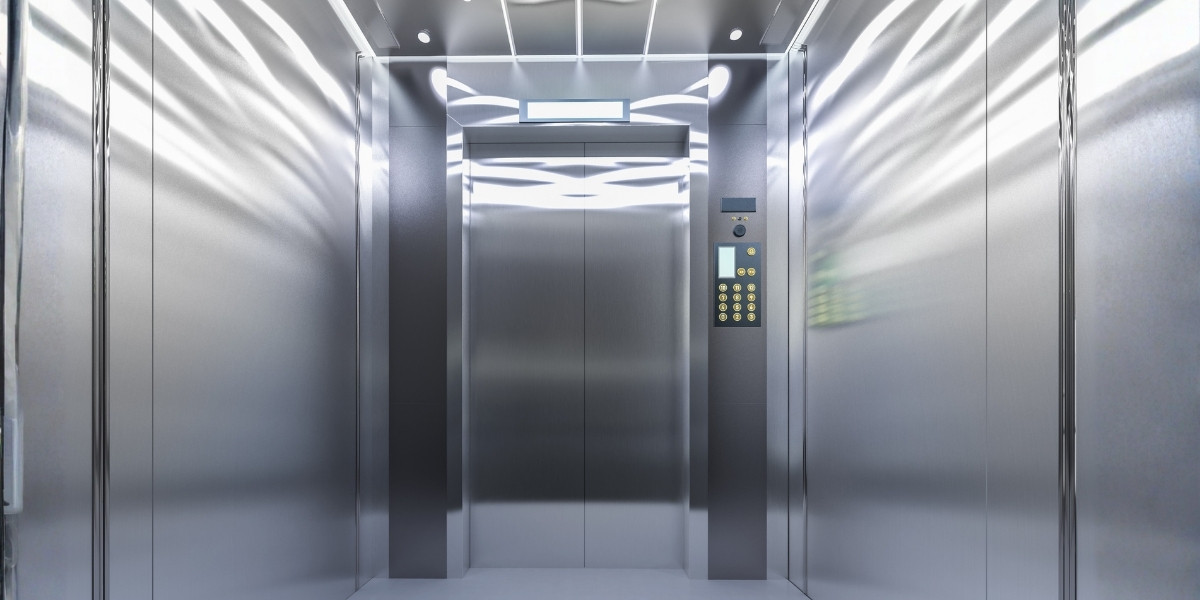
Modernized cabins improve user experience through better lighting, indicators, and finishes. Updated interfaces enhance accessibility and usability for passengers.
Role of Elevator Spare Parts in Modernization
The effectiveness of elevator modernization depends heavily on the quality of elevator spare parts used during upgrades. Using compatible and certified elevator parts ensures seamless integration with existing systems and prevents performance issues.
High-quality elevator spare parts contribute to:
- Improved operational reliability
- Reduced maintenance frequency
- Extended system lifespan
- Compliance with safety regulations
Selecting the right elevator parts is essential to achieving long-term modernization benefits.
Importance of Reliable Elevator Spare Parts Suppliers in Dubai
Access to dependable elevator spare parts suppliers in Dubai is critical for timely and effective modernization projects. Suppliers play a key role in ensuring the availability of compatible parts that meet regulatory and operational standards.
Key factors when selecting suppliers include:
- Consistent availability of certified elevator spare parts
- Compatibility with various elevator systems
- Technical understanding of modernization requirements
- Reliable supply chain and delivery timelines
Reliable suppliers support smooth upgrade execution and minimize downtime during modernization.
Elevator Modernization vs Continuous Repairs
Continuously repairing outdated systems often results in higher long-term costs and reduced reliability. Elevator modernization offers a structured solution that addresses root causes rather than recurring symptoms.
| Cost efficiency | Short-term | Long-term |
| Reliability | Declines over time | Significantly improved |
| Safety compliance | Limited | Updated standards |
| Spare part availability | Difficult | Readily available |
| Performance | Inconsistent | Optimized |
Modernization delivers predictable performance and cost stability.
Planning an Elevator Upgrade
Effective elevator modernization requires proper assessment and planning. A structured approach ensures that upgrades align with operational needs and budget constraints.
Key steps include:
- Evaluating the current elevator condition
- Identifying outdated or high-risk components
- Selecting compatible elevator spare parts
- Scheduling upgrades to minimize disruption
- Ensuring compliance with safety standards
Careful planning simplifies decision-making and improves modernization outcomes.
Cost Considerations in Elevator Modernization
Modernization costs vary depending on the scope of the elevator upgrade and the components involved. Partial modernization focuses on critical systems, while comprehensive modernization addresses multiple components simultaneously.
Factors influencing cost include:
- Age of the elevator system
- Number of components upgraded
- Type and quality of elevator spare parts
- Installation complexity
Despite the initial investment, modernization typically results in lower operational and maintenance costs over time.
Long-Term Benefits of Elevator Modernization
Modernized elevators provide consistent performance and operational stability. Benefits include:
- Enhanced passenger safety
- Improved energy efficiency
- Reduced downtime
- Easier availability of elevator spare parts
- Compliance with modern regulations
These advantages make elevator modernization a practical and forward-looking solution.
Simplify Upgrade Decisions with Smart Partners
Understanding the purpose, process, and outcomes of elevator modernization removes uncertainty from upgrade decisions. By focusing on system performance, safety, and long-term value, building owners can confidently choose modernization over short-term fixes.
With the right planning, quality elevator parts, and dependable technical support, elevator modernization becomes a strategic improvement rather than a complex challenge. Providers such as Elevator Mart support this process by enabling access to reliable components and modernization solutions