
Elevator Door Not Responding? Here’s Why
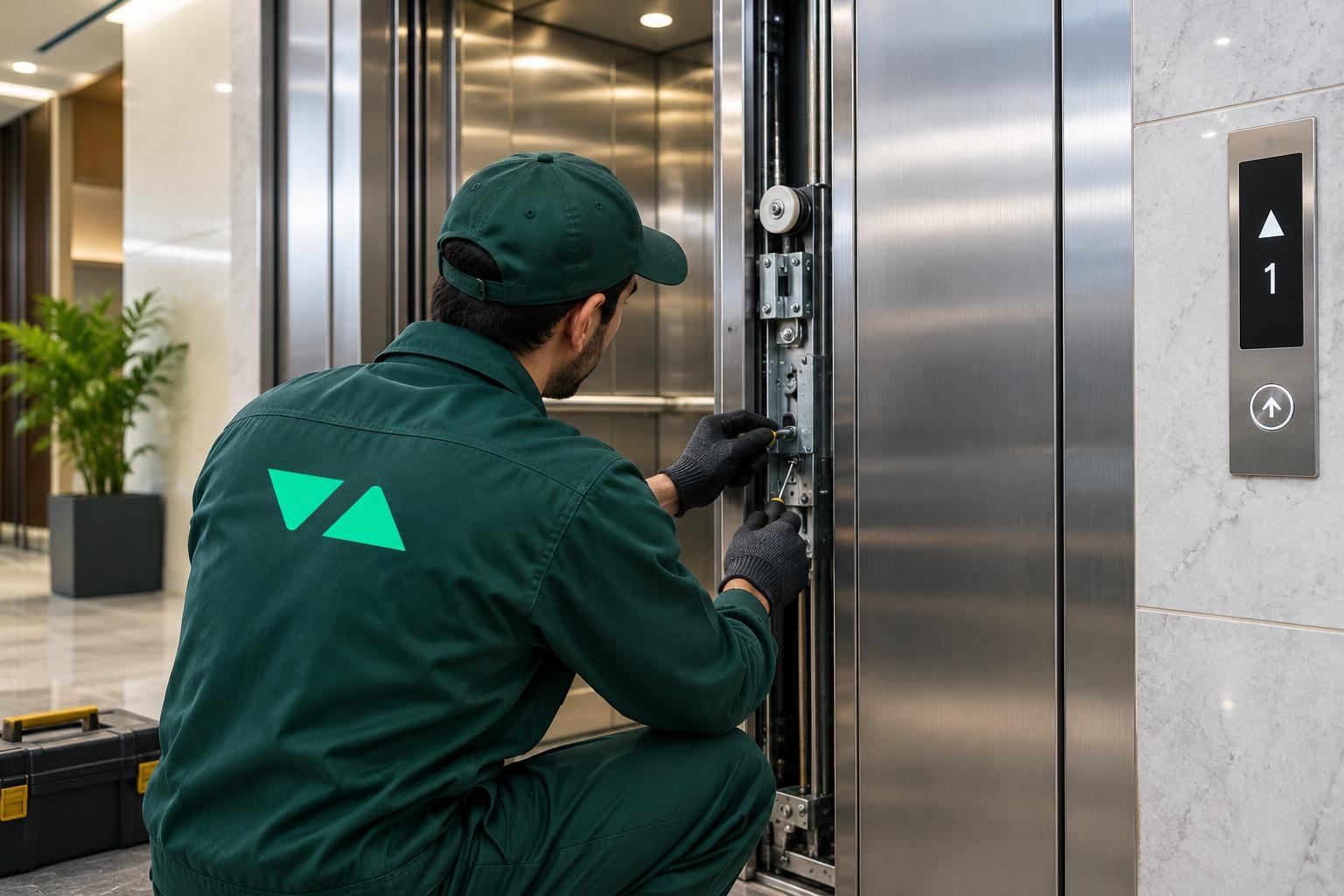
Why Is Your Elevator Door Not Closing Properly?
Elevator doors are among the most frequently used components in any elevator system. They open and close hundreds or even thousands of times depending on the building and level of usage. When elevator doors suddenly stop closing properly, repeatedly reopen, move slowly, or make unusual noises, it can quickly become a major inconvenience for passengers and a maintenance concern for building owners.
But why is your elevator door not closing properly?
The problem can be caused by several components, including door sensors, door shoes, rollers, door operators, locks, wiring, or even simple physical obstructions. Identifying the actual cause is important before replacing any spare part.
In this guide, we look at the most common reasons for elevator door problems and the components that maintenance teams should inspect.
What Causes an Elevator Door Not to Close Properly?
There isn't always a single reason why an elevator door refuses to close. Different components work together to ensure smooth and safe door operation.
Some of the most common causes include:
- Faulty door sensors
- Dirty or misaligned sensors
- Worn door shoes
- Damaged or worn door rollers
- Door operator problems
- Damaged door locks
- Electrical or wiring issues
- Obstructions in the door track
- Incorrect door adjustment
- Worn mechanical components
Let's look at each of these in more detail.
Could a Faulty Door Sensor Be the Problem?
One of the first components to check when an elevator door repeatedly opens is the door sensor.
Modern elevator doors commonly use sensors to detect passengers or objects in the doorway. If the sensor detects an obstruction, it sends a signal to the elevator control system to prevent the doors from closing.
However, a sensor that is dirty, damaged, misaligned, or malfunctioning may continuously send an obstruction signal even when there is nothing in the doorway.
Common signs of a door sensor problem include:
- Doors repeatedly reopening
- Doors refusing to close
- Sensor error indications
- Inconsistent obstruction detection
- Door closing delays
Before replacing the sensor, a qualified technician should inspect its alignment, connections, and condition.
For replacement requirements, you can explore Elevator Door Sensors available through Elevatormart.
Are Worn Door Shoes Affecting Your Elevator Doors?
Another component that can affect door movement is the elevator door shoe.
Door shoes guide the elevator doors along the sill and help maintain smooth movement. Over time, continuous operation can cause the shoes to wear down.
A damaged or worn door shoe can result in:
- Noisy door movement
- Increased friction
- Door vibration
- Uneven movement
- Difficulty opening or closing
If the door shoes are worn, replacing them with the correct compatible type can help restore smoother door operation.
Could the Door Rollers Be Worn Out?
Elevator door rollers play an important role in allowing the doors to move smoothly along their mechanism.
With continuous use, rollers can become worn or damaged. This may cause the doors to become noisy, slow, or uneven.
Signs of worn rollers can include:
- Grinding or unusual noises
- Door vibration
- Uneven movement
- Slow door operation
- Increased resistance during opening or closing
Regular inspection can help identify roller wear before it causes more serious door problems.
Is the Elevator Door Operator Causing the Problem?
The door operator controls the movement of the elevator doors. It is responsible for opening and closing the doors at the correct speed and timing.
If the door operator develops a fault, you may notice:
- Doors moving too slowly
- Doors moving too quickly
- Doors stopping before fully closing
- Doors opening unevenly
- Repeated door faults
The operator should be inspected by a qualified elevator technician to determine whether the issue is mechanical, electrical, or related to adjustment.
Could Something Be Blocking the Door Track?
Sometimes the problem isn't an electronic or mechanical failure at all.
Dust, dirt, small objects, or other debris can accumulate around the door sill and tracks. These obstructions can interfere with door movement.
Regular cleaning and inspection of the door area can help prevent unnecessary problems.
However, maintenance personnel should follow the elevator manufacturer's recommended procedures when cleaning or inspecting the system.
What Happens When the Elevator Door Lock Has a Problem?
The elevator door lock is an important part of the door safety system.
If the lock does not engage correctly, the elevator control system may prevent the elevator from operating normally.
Possible symptoms include:
- Elevator refusing to run
- Door lock faults
- Doors not closing completely
- Intermittent operation
- Repeated safety-related errors
Because door locks are part of the elevator safety system, any suspected lock problem should be inspected and addressed by a qualified elevator professional.
Can Wiring Problems Affect Elevator Door Operation?
Electrical connections are another area that should not be overlooked.
Loose connections, damaged cables, or communication problems between the door components and controller can result in intermittent faults.
A technician may need to inspect:
- Sensor wiring
- Door operator connections
- Controller communication
- Power supply
- Connectors and terminals
Electrical troubleshooting should always be performed by qualified personnel using the appropriate safety procedures.
How Can You Identify the Correct Elevator Spare Part?
When replacing an elevator door component, choosing the correct spare part is extremely important.
Before ordering a replacement, check the:
- Manufacturer
- Model number
- Part number
- Voltage
- Dimensions
- Connector type
- Door configuration
- Existing component specifications
Whenever possible, provide the part number and photographs of the existing component to your spare-parts supplier. This can make identification much easier and reduce the possibility of ordering an incompatible component.
When Should Elevator Door Components Be Replaced?
There is no universal replacement schedule for every elevator door component. The service life depends on factors such as elevator usage, environment, maintenance quality, component quality, and operating conditions.
Replacement may be necessary when a component:
- Shows visible damage
- Has excessive wear
- Produces recurring faults
- Causes abnormal operation
- Cannot be adjusted correctly
- Has become unreliable
- Is no longer available or supported
Regular preventive maintenance can help identify these issues before they lead to extended elevator downtime.
How Can You Reduce Elevator Door Downtime?
Preventive maintenance is one of the most effective ways to reduce unexpected elevator door problems.
Maintenance teams should regularly inspect:
- Door sensors
- Door shoes
- Door rollers
- Door operators
- Door locks
- Door tracks
- Wiring and connectors
- Door alignment
Keeping commonly required spare parts available can also help maintenance companies respond quickly when a component fails.
Why Is Choosing the Right Elevator Spare Parts Supplier Important?
The quality and compatibility of replacement components can have a significant impact on elevator maintenance.
A reliable supplier should be able to provide accurate product information, clear specifications, availability, and suitable delivery options.
At Elevatormart, we supply a wide range of elevator and escalator spare parts, including door sensors, door shoes, rollers, PCB boards, encoders, intercom systems, switches, traveling cables, and other components.
Our products are available for customers in the UAE and worldwide, with fast delivery options within the UAE.
Conclusion
So, why is your elevator door not closing properly?
The answer could be something as simple as an obstruction or worn door shoe, or it could involve a door sensor, roller, operator, lock, wiring, or another component.
Identifying the actual cause before replacing a part is essential. Regular maintenance and using the correct compatible spare parts can help improve elevator reliability, reduce downtime, and keep door systems operating smoothly.
If you are looking for elevator door components or other elevator and escalator spare parts, visit Elevatormart to explore our product range, pictures, specifications, and prices.