
Common Issues Found in Elevator Door Drive
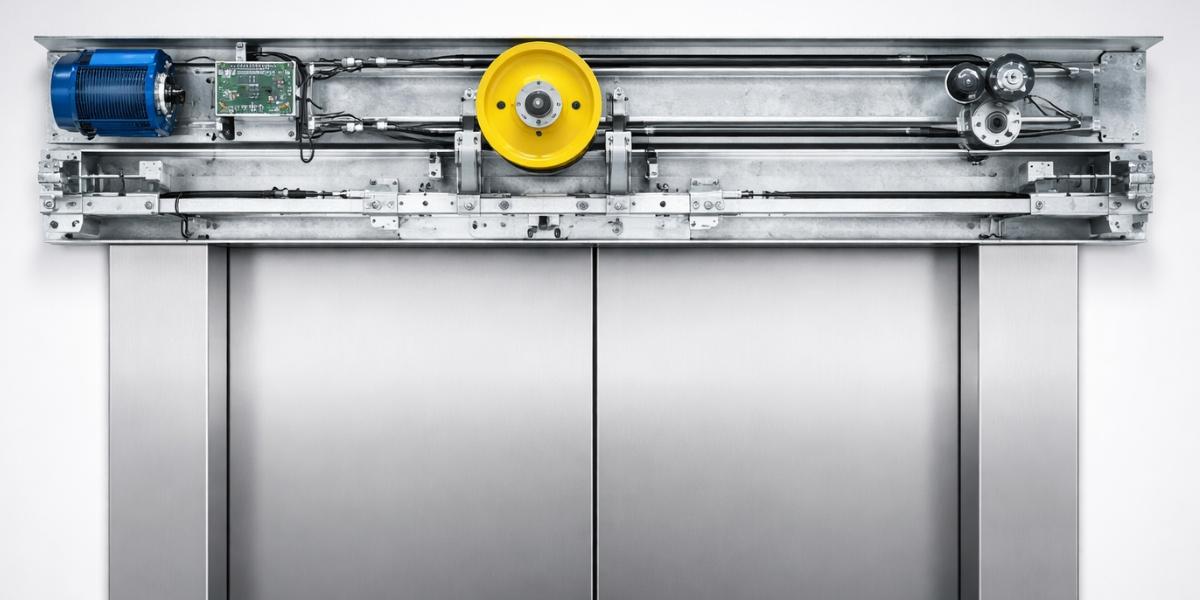
Common Elevator Door Drive Issues
Elevators are essential in modern buildings, ensuring smooth and convenient movement between floors. While passengers usually focus on the lift cabin and control buttons, one of the most critical components working behind the scenes is the door drive system.
This system is responsible for opening and closing the elevator doors safely and accurately. However, like any mechanical and electronic component, the door drive can develop faults over time. Understanding the common issues found in the elevator door drive can help building owners and maintenance teams prevent disruptions and maintain passenger safety.
1. Door Opening and Closing Delays
One of the most noticeable issues in the elevator door drive is a delay in door movement. Passengers may experience doors that take longer than usual to open or close.
This problem can occur due to several factors, including worn-out motors, damaged belts, or controller faults. Dust accumulation and lack of lubrication can also create friction, making it harder for the system to operate efficiently. If not addressed promptly, delays can eventually lead to system failure and passenger inconvenience.
2. Misaligned Elevator Doors
Door misalignment is another frequent problem in elevator systems. When doors are not properly aligned with the landing doors, they may struggle to open or close fully.
Misalignment often occurs due to mechanical wear, loose components, or accidental impacts. Over time, continuous usage can loosen the door tracks or rollers, causing the doors to shift slightly from their correct position. This not only creates operational difficulties but may also trigger safety sensors, preventing the elevator from moving.
3. Faulty Door Sensors
Modern elevators rely heavily on sensors to detect obstacles and ensure passenger safety. These sensors stop the doors from closing if something is in the way.
However, damaged or dirty sensors can cause false signals. When this happens, the doors may repeatedly reopen or fail to close properly. Sensor problems are among the most frustrating elevator door drive issues because they disrupt normal operation and increase waiting times for passengers.
Regular cleaning and inspection of sensor systems can help avoid these problems.
4. Worn-Out Door Rollers
Door rollers play a crucial role in guiding the movement of elevator doors along their tracks. With constant use, these rollers may become worn or damaged.
When rollers wear out, the doors may produce unusual noises, move unevenly, or get stuck during operation. If ignored, the friction created by damaged rollers can strain the motor and other components of the system.
Replacing worn rollers is a relatively simple maintenance task, but delaying it can lead to more complex repairs.
5. Motor or Controller Malfunctions
The motor is the heart of the door drive system. It powers the mechanism responsible for opening and closing the doors. If the motor begins to fail, the doors may stop functioning entirely or operate unpredictably.
Controller failures can also lead to operational issues. Since the controller communicates with the elevator’s main system, even minor faults can disrupt door movements. When diagnosing issues in the elevator door drive, technicians often check the motor and control board first because they directly influence system performance.
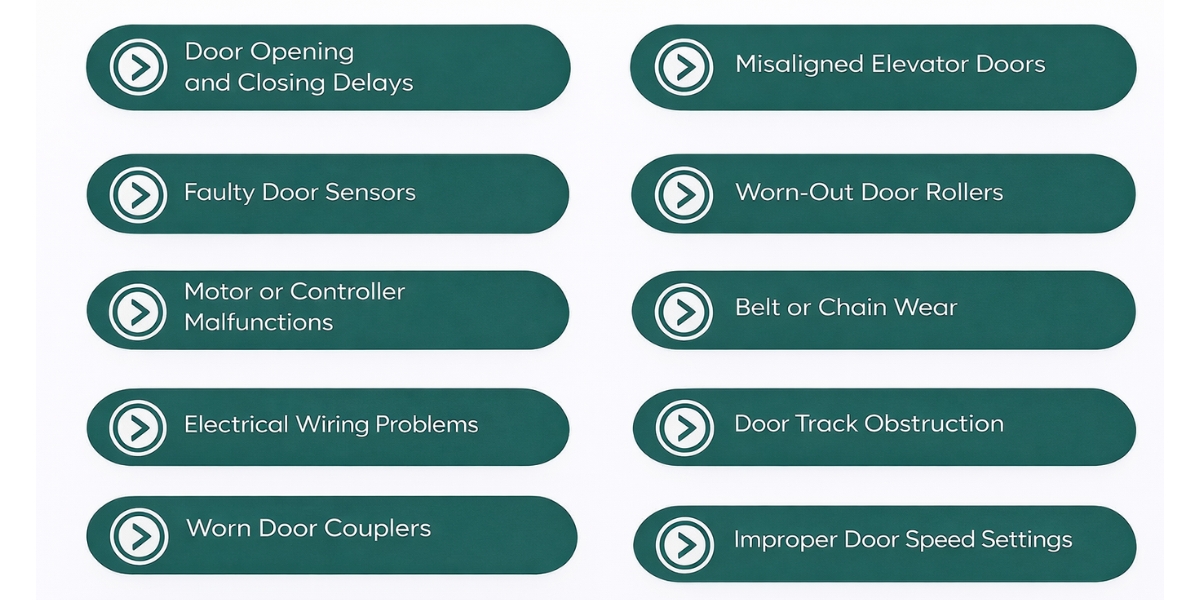
6. Belt or Chain Wear
Many elevator door drive systems use belts or chains to transfer motion from the motor to the doors. Over time, these components can stretch, loosen, or break.
A worn belt may cause doors to open slowly or unevenly. In some cases, the doors may stop midway or reverse unexpectedly. Regular inspection of belts and chains ensures they remain properly tensioned and functional.
7. Electrical Wiring Problems
Electrical connections are another critical element in elevator door systems. Loose wiring, damaged cables, or power supply interruptions can cause inconsistent door operation.
These faults may trigger system errors, stop the doors from responding to commands, or cause intermittent failures. Electrical problems are particularly dangerous because they can affect both the door drive and the overall elevator drive system. Professional inspection is essential when electrical faults are suspected.
8. Door Track Obstruction
Another common problem occurs when the door tracks become blocked by dust, debris, or small objects. Since elevator doors move along a guided track system, any obstruction can interrupt their smooth movement.
When this happens, the doors may stop midway, move unevenly, or fail to close completely. Continuous obstruction can also put additional pressure on the door mechanism and increase wear on internal components. Regular cleaning of the door tracks helps maintain smooth and reliable operation.
9. Improper Door Speed Settings
Incorrect door speed configuration can also lead to operational problems. If the door opening or closing speed is not calibrated correctly, the doors may move too fast or too slowly.
Doors moving too quickly may create safety concerns for passengers, while slow movement can reduce efficiency and increase waiting time. Technicians usually adjust these settings through the controller system to ensure the doors operate at a safe and balanced speed.
10. Worn Door Couplers
Door couplers are important mechanical components that connect the elevator car door with the landing doors. Over time, these couplers can wear out due to continuous usage and mechanical stress. When couplers become damaged or loose, the landing doors may fail to open or close in sync with the elevator doors.
This can lead to door operation failures and may prevent the elevator from functioning properly until the issue is repaired. Regular inspection and timely replacement of worn couplers help maintain smooth door coordination.
Improving Elevator Reliability Through Proper Maintenance
Elevator doors are one of the most frequently used components in any building, and their reliability depends on the proper functioning of the door drive system. Identifying and addressing elevator door drive issues early can prevent downtime, reduce repair costs, and ensure passenger safety. Regular inspection, proper lubrication, and the use of high-quality components are essential for maintaining smooth operation. When replacement components are needed, sourcing reliable products from trusted suppliers like Elevator Mart ensures long-lasting performance and dependable elevator systems.