
Hidden Technology That Controls Modern Elevators
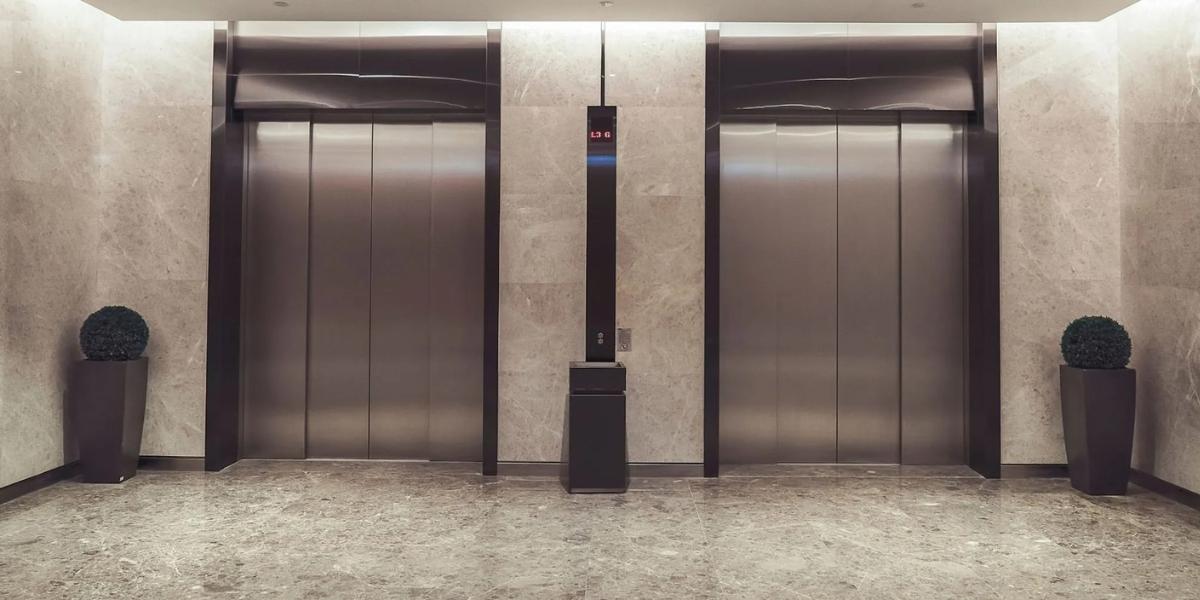
Overview of Hidden Technology That Controls Modern Elevators
Modern elevators appear simple on the surface: press a button and the lift takes you to your destination. However, behind this everyday convenience lies a complex network of smart systems, sensors, and advanced engineering. These unseen innovations ensure elevators move smoothly, stop accurately, and maintain strict safety standards.
Understanding the hidden technology that controls modern elevators reveals how much innovation works behind the scenes to keep buildings operating efficiently. From intelligent control systems to predictive maintenance tools, modern elevators rely on a combination of mechanical precision and digital technology.
Intelligent Elevator Control Systems
The control system is the central brain of every elevator. It manages commands, monitors performance, and ensures smooth travel between floors.
Key functions include:
- Processing floor requests from passengers
- Controlling the motor and drive systems
- Managing elevator speed and acceleration
- Coordinating multiple elevators within the same building
- Optimising travel routes to reduce waiting time
Modern buildings often use group control technology, where several elevators work together. The system analyses traffic patterns and directs passengers to the most efficient lift available.
Smart Sensors for Safety and Accuracy
Elevators rely on a wide range of sensors that constantly monitor operations and ensure safety.
These sensors perform tasks such as
- Detecting cabin position within the shaft
- Monitoring load capacity and weight distribution
- Preventing doors from closing when an obstruction is detected
- Tracking elevator speed to avoid unsafe movement
- Identifying unusual vibrations or mechanical issues
If a sensor detects a problem, the system automatically activates safety measures such as emergency braking or controlled stopping.
Predictive Maintenance Technology
One of the biggest advancements in elevator technology is predictive maintenance. Instead of waiting for faults to occur, modern systems continuously monitor performance and predict potential issues.
Important aspects include:
- Real-time monitoring of motor performance
- Data analysis of system behaviour and usage patterns
- Automatic alerts when components show signs of wear
- Remote diagnostics for faster troubleshooting
- Reduced unexpected breakdowns and downtime
These systems rely on durable elevator parts that can withstand constant operation while maintaining high performance.
Destination Control Technology
Traditional elevators require passengers to enter the cabin and then select their floor. Newer systems improve efficiency with destination control technology.
How this technology works:
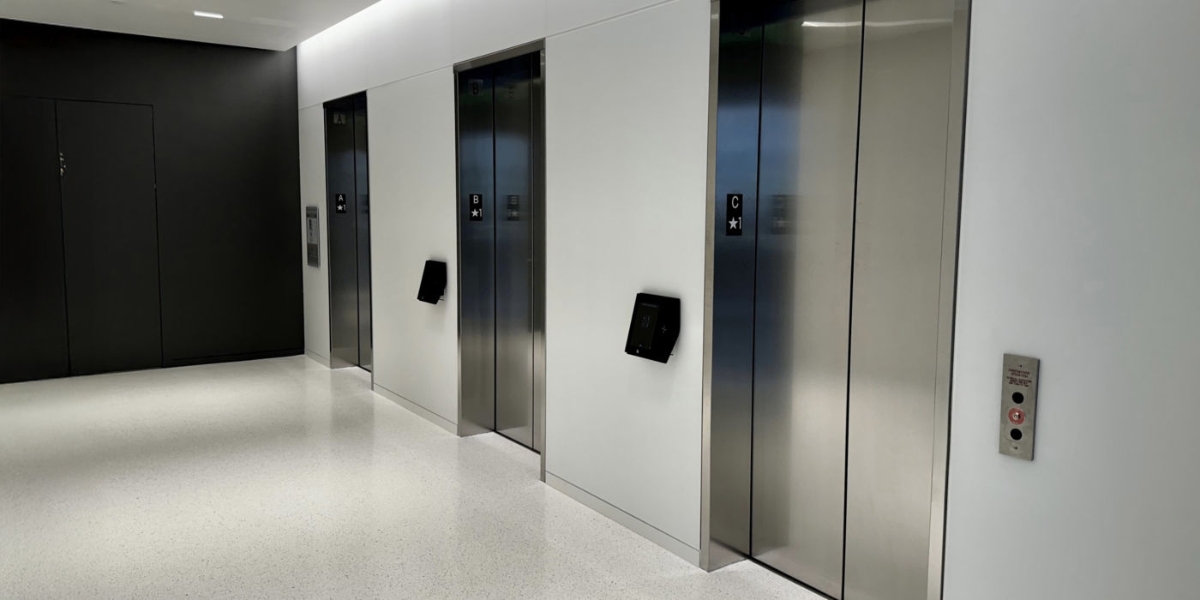
- Passengers select their floor on a touchscreen panel before entering the lift
- The system assigns the most suitable elevator
- People travelling to similar floors are grouped together
- Fewer stops occur during the journey
- Waiting and travel times are significantly reduced
This technology is commonly used in high-rise offices and commercial buildings.
Energy-Efficient Drive Systems
Modern elevators focus heavily on energy efficiency. New drive systems reduce power consumption while maintaining high performance.
Energy-saving innovations include:
- Regenerative drives that convert excess energy into electricity
- Lightweight elevator cabins that reduce motor strain
- Energy-efficient LED lighting inside cabins
- Smart standby modes during low usage periods
- Improved motor technology that reduces electricity consumption
These features help buildings lower operational costs and support sustainable infrastructure.
Advanced Door Control Mechanisms
Elevator doors operate thousands of times every day, making them one of the most frequently used components.
Modern door systems include:
- Infrared sensors to detect passengers or objects
- Smooth opening and closing control to prevent sudden movement
- Automatic reopening if obstruction is detected
- Speed regulation for safe and efficient operation
- High-durability mechanisms designed for constant use
Proper maintenance ensures door systems remain reliable and safe for passengers.
Emergency Communication Systems
Safety also depends on communication systems that allow passengers to contact assistance if necessary.
Key emergency features include:
- Two-way intercom communication inside the cabin
- Direct connection to building security or monitoring centres
- Automatic alerts during elevator malfunctions
- Emergency lighting in case of power failure
- Backup power systems for controlled operation
These features help ensure passengers receive assistance quickly in unexpected situations.
Reliable Supply of Components
The performance and safety of elevators depend heavily on the quality of their components. Maintenance companies rely on professional elevator spare parts suppliers in Dubai to source certified equipment and replacement parts.
Working with trusted suppliers ensures:
- Compliance with international safety standards
- Long-lasting and reliable components
- Compatibility with modern elevator systems
- Reduced maintenance risks and operational failures
- Faster repairs when parts need replacement
Access to high-quality components helps maintain the reliability of elevator systems in busy buildings.
Hidden System Diagnostics
Many modern elevators include built-in diagnostic systems that constantly analyse performance and detect irregularities.
These monitoring tools can:
- Track operational data from multiple components
- Detect abnormal motor behavior.
- Identify early signs of mechanical wear
- Provide detailed maintenance reports
- Improve long-term system reliability
These hidden features that control modern elevators help technicians identify problems before they affect daily operation.
The Role of Trusted Industry Providers
Maintaining modern elevators requires reliable access to advanced equipment and certified components. Professional distributors such as Elevator Mart support building managers and technicians by providing specialised parts designed for modern elevator systems.
Reliable providers ensure maintenance teams have access to the right components when needed, helping elevators remain safe, efficient, and compliant with industry standards.
The Importance of Regular Elevator Maintenance
Even with advanced technology, regular maintenance remains essential for keeping elevator systems operating safely and efficiently. Routine inspections help technicians identify wear and minor issues before they develop into serious problems.
Effective maintenance typically includes:
- Inspecting mechanical and electrical components regularly
- Lubricating moving parts to reduce friction and wear
- Testing safety systems and emergency features
- Replacing worn-out parts before failure occurs
- Ensuring compliance with safety regulations and building standards
Consistent maintenance not only improves elevator reliability but also extends the lifespan of the system. Proper servicing ensures passengers experience smooth, safe, and uninterrupted elevator operation in both residential and commercial buildings.
Final Thoughts on Elevator Control Technology
Elevators have evolved far beyond simple lifting machines. Today’s systems rely on advanced software, smart sensors, predictive maintenance technology, and energy-efficient engineering to deliver reliable vertical transportation.
While passengers may never see the complex systems operating behind the walls of an elevator shaft, the hidden technology that controls modern elevators plays a crucial role in ensuring safety, efficiency, and performance. Understanding these systems highlights the importance of proper maintenance, high-quality elevator parts, and trusted suppliers like Elevator Mart in supporting modern building infrastructure.