
How Proper Cabling Improves Elevator Efficiency?
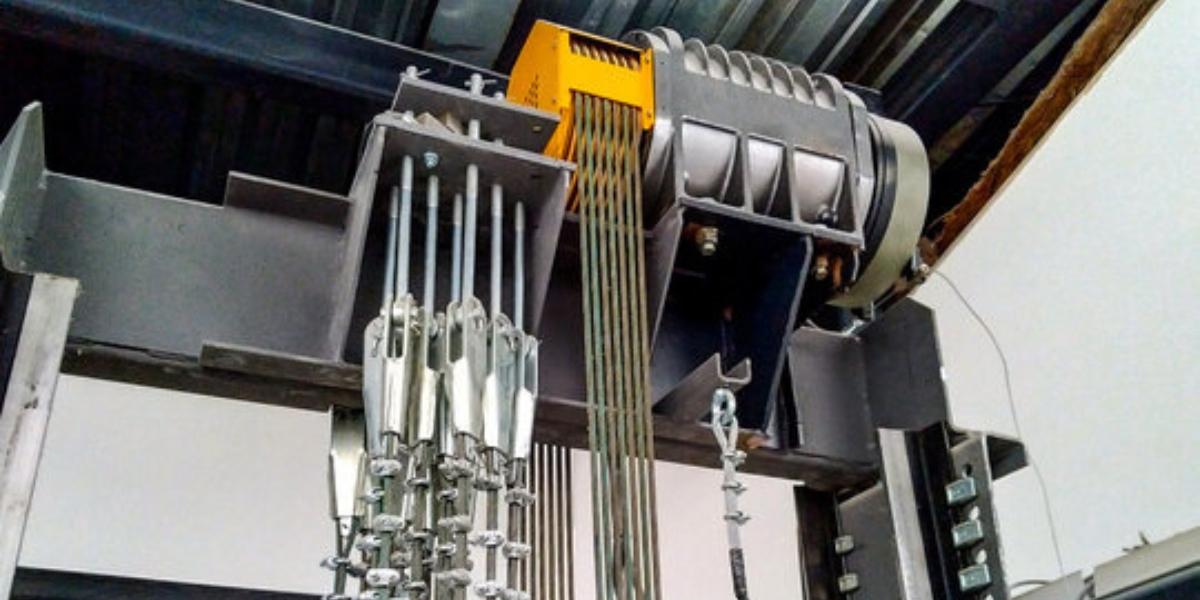
How Proper Elevator Cabling Improves Elevator Efficiency
Efficient elevator systems are essential for modern buildings, ensuring smooth transportation, reduced wait times, and enhanced safety. One of the most critical yet often overlooked factors behind a well-functioning lift system is its cabling. Understanding how proper cabling improves elevator efficiency can help building owners, facility managers, and technicians maintain reliable operations and extend the lifespan of their systems.
From power transmission to signal communication, elevator cables play a vital role in ensuring that every movement is accurate, safe, and energy-efficient. In this blog, we will explore how proper elevator cabling improves elevator efficiency, highlighting key benefits, components, and best practices.
Understanding how proper cabling improves elevator efficiency involves looking at multiple performance aspects.
1. Enhanced Energy Efficiency
- High-quality cables reduce electrical resistance, allowing power to flow more efficiently to the motor and control systems.
- Efficient power transmission minimises energy loss, which reduces electricity consumption and operating costs.
- Lightweight and flexible cables also reduce the overall load on the motor, helping elevators run more smoothly while consuming less energy, especially in buildings with high traffic.
2. Smooth and Stable Operation
- Well-installed lift cables ensure the elevator moves in a balanced and controlled manner.
- Reduces jerks, vibrations, and sudden movements, providing a more comfortable experience for passengers.
- Balanced movement also lowers mechanical stress on pulleys, brakes, and guide rails, contributing to long-term reliability.
3. Reduced Downtime
- Durable, high-quality cables are built to withstand millions of flex cycles without damage.
- This prevents frequent breakdowns, reducing the need for emergency maintenance and unplanned service interruptions.
- Fewer repairs mean elevators remain operational for longer periods, which is crucial in commercial or high-rise residential buildings where downtime can disrupt daily operations.
4. Improved Safety Standards
- Proper cabling ensures that emergency braking and safety monitoring systems work reliably.
- Reduces the risk of electrical faults, short circuits, or signal failures that could compromise passenger safety.
- Helps elevators comply with international safety regulations and building codes, ensuring a secure environment for passengers and staff.
5. Longer Equipment Lifespan
- High-quality cables minimise wear and tear on motors, pulleys, and control units.
- Proper power and signal delivery prevent overheating, mechanical strain, and premature failures of elevator components.
- Extends the life of the entire system, reducing long-term maintenance and replacement costs while maintaining consistent performance.
6. Improved Signal Accuracy and Response Time
- Reliable elevator cables transmit signals accurately between the control system and the elevator car.
- Faster communication reduces delays in door operation, floor selection, and emergency response functions.
- This improves overall system responsiveness, making elevator operation more efficient and user-friendly.
7. Better Load Management and Balance
- Properly designed lift cables help distribute weight evenly across mechanical and structural components.
- Prevents uneven strain on pulleys, rails, and motors, which can cause wear or alignment issues.
- Enhances operational efficiency, particularly in tall buildings or elevators carrying heavy loads frequently.
8. Reduced Noise and Vibration Levels
- Well-insulated and correctly installed cables minimise electrical and mechanical noise.
- Reduces vibrations caused by misalignment or worn-out cables, contributing to a smoother, quieter ride.
- Creates a more comfortable experience for passengers and reduces wear on surrounding elevator components.
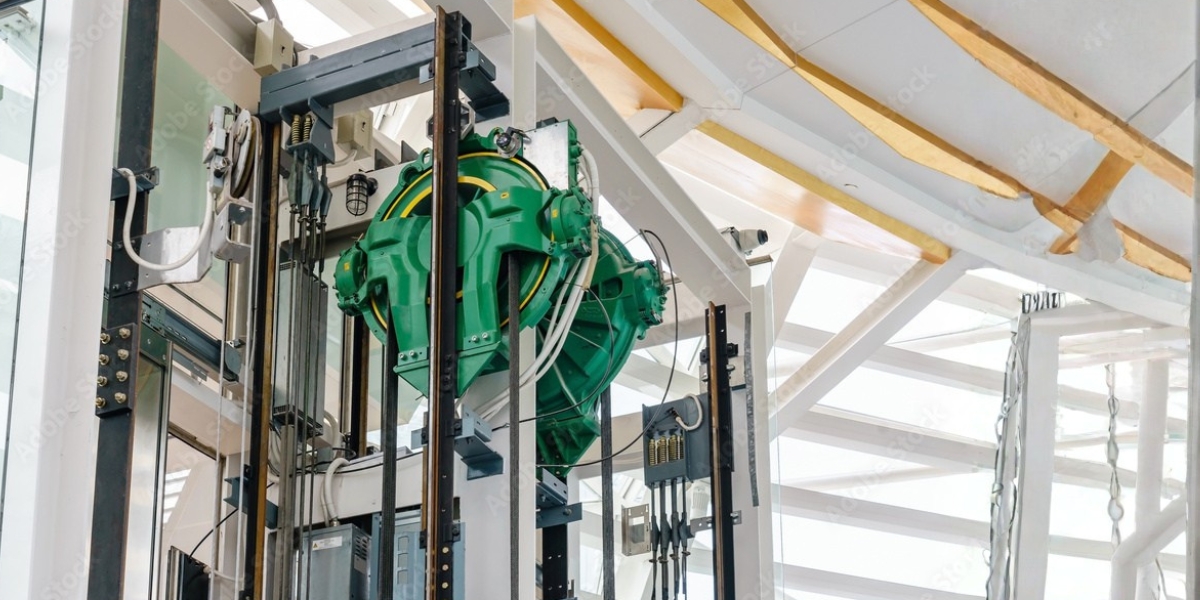
Main Factors That Influence Elevator Cabling Efficiency
To fully understand how proper elevator cabling improves elevator efficiency, it’s important to consider the factors that impact cabling performance.
1. Cable Quality
- Using premium-grade materials ensures elevator cables are durable and reliable under constant use.
- High-quality cables resist heat, moisture, wear, and mechanical stress, which can otherwise compromise performance.
- Durable cables reduce the frequency of replacements and maintenance, ensuring consistent operation and long-term efficiency.
2. Correct Installation
- Proper alignment of cables during installation reduces friction and prevents unnecessary bending.
- Avoiding tension or stress on the cables helps maintain consistent performance and protects other elevator components.
- Correct installation ensures smooth elevator movement, minimises vibrations, and prevents premature wear on both cables and mechanical parts.
3. Load Capacity Matching
- Elevator cables must be selected based on the maximum load requirements of the system.
- Overloading cables beyond their rated capacity can lead to overheating, mechanical strain, and potential failure.
- Matching the cable to the elevator’s load ensures safety, efficient power transmission, and prolonged lifespan of the system.
4. Regular Maintenance
- Routine inspections help detect early signs of wear, fraying, or insulation damage.
- Timely replacement or repair prevents unexpected breakdowns and costly emergency repairs.
- Maintenance schedules tailored to cable type and building traffic ensure elevators operate reliably while reducing downtime.
5. Environmental Conditions
- Exposure to extreme temperatures can affect cable flexibility and operational performance.
- Humidity and moisture may lead to corrosion, insulation damage, or short circuits.
- Dust, dirt, and debris can increase wear and reduce efficiency if cables are not protected or cleaned regularly. Accounting for environmental conditions when choosing and maintaining cables is essential for consistent performance.
6. Cable Routing and Design
- Proper routing prevents unnecessary bending, twisting, or rubbing against other components.
- Organised cable layouts minimise mechanical stress and allow for easy inspection and maintenance.
- Thoughtful design of the cable path ensures smooth operation, reduces wear, and supports long-term reliability, particularly in high-rise or high-traffic buildings.
7. Compliance with Safety Standards
- Ensuring cables meet international and local safety standards protects both passengers and equipment.
- Fire-resistant and low-smoke cables reduce hazards in emergency situations.
- Compliance guarantees the system operates safely under various conditions and maintains regulatory approvals, which is essential for building certification and liability protection.
8. Future-Proofing and System Compatibility
- Choosing cables compatible with modern elevator technologies ensures adaptability to smart systems, IoT monitoring, or energy-saving features.
- Future-proof cables can support upgrades without requiring complete replacements.
- Planning for compatibility reduces long-term costs and ensures the elevator remains efficient as building requirements evolve.
How Cabling Supports Future-Ready Elevator Systems
In conclusion, understanding how proper cabling improves elevator efficiency is essential for maintaining high-performing and reliable elevator systems. From energy savings to improved safety and reduced maintenance, the benefits of proper cabling are undeniable.
By focusing on quality materials, correct installation, and regular maintenance, building owners can significantly enhance elevator performance. Additionally, sourcing dependable elevator parts from trusted providers like Elevator Mart ensures long-term efficiency and safety.
Ultimately, how proper elevator cabling improves elevator efficiency comes down to attention to detail and a commitment to quality because even the smallest components can make the biggest difference in performance.